Table of Contents
Planning a trip to Beijing? Think you already know what the city has to offer?
This isn’t your average travel guide scraping results from Google Search. I lived in Beijing for a full year, exploring every corner of the city. Today, I’m giving you the know-how to experience China’s capital like a true local, not just a tourist.
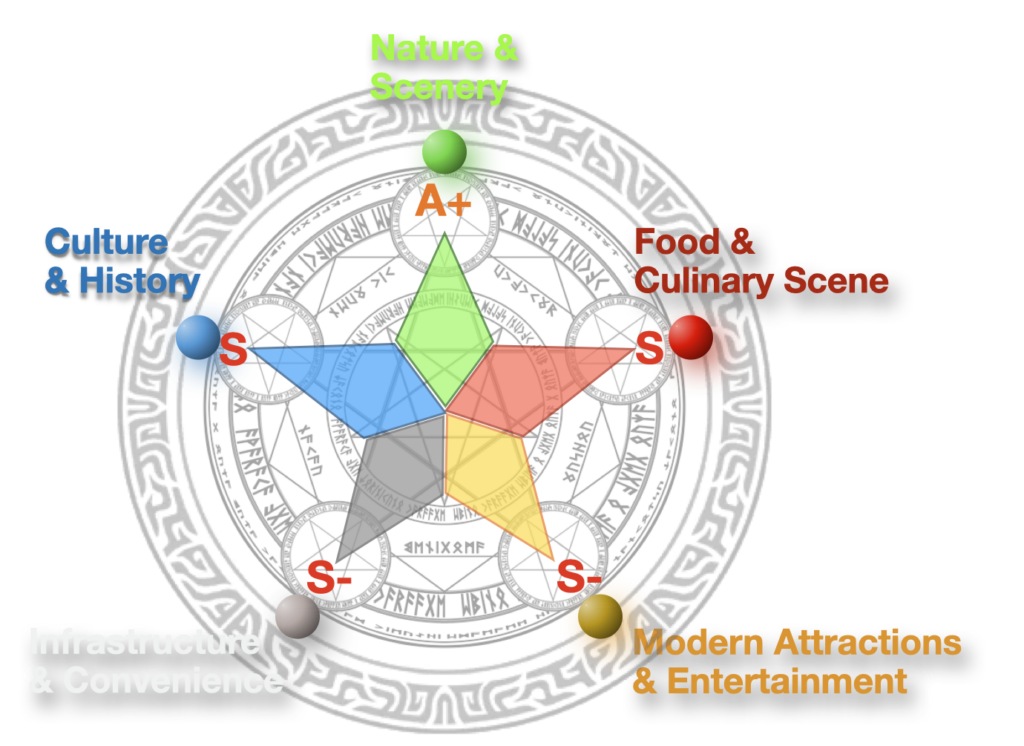
To give you a systematic review of what’s actually worth your time, I’m introducing my brand new rating system: The Panda Compass. We are going to cover scenery, culture, history, food, modern attractions, and convenience.
The Panda Compass: Beijing Overview
Since its establishment as a capital during the Jin Dynasty in the 12th century, Beijing has been the political and cultural heart of China for over 800 years. For its overall score, I give Beijing an undeniable S Rating. Without hesitation, it is the number one city for a first-time visitor to China.
Scenery & Landscapes: Man-Made Marvels (A+)
Beijing is not famous for pure, untouched nature like Guilin or Zhangjiajie. The beauty here is man-made, born from the immense human effort and limitless resources of emperors during the Ming and Qing Dynasties. It is a strict A+ because this combination of landscape and architecture is truly unique in the world.
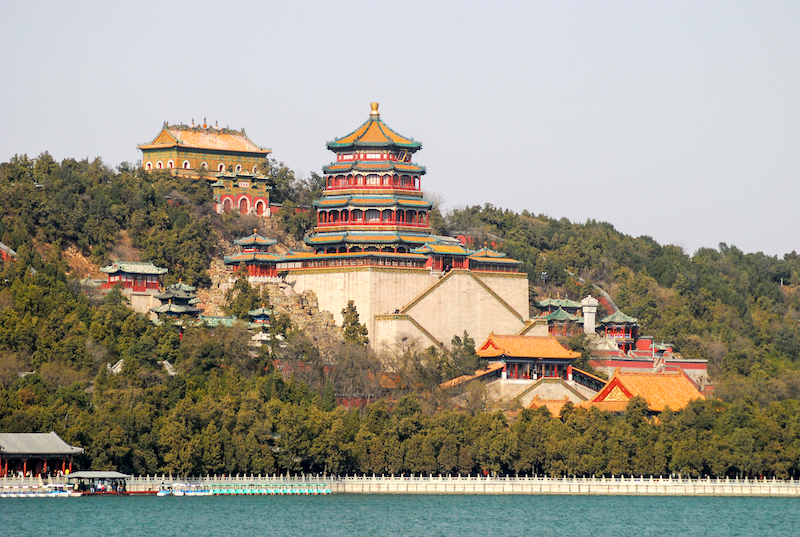
The Summer Palace (Yiheyuan): An imperial garden with a vast lake and beautiful hills, stunning year-round. In winter, you can even ice skate on the lake!
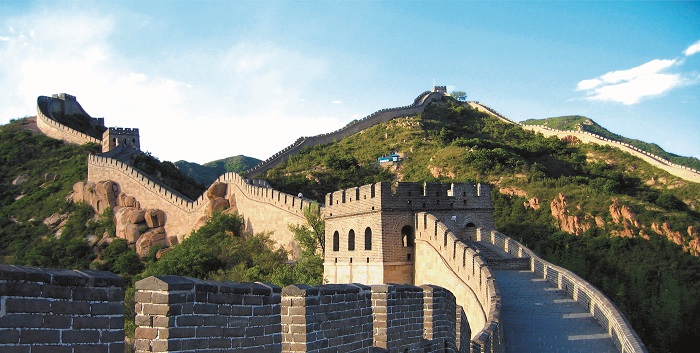
The Great Wall – Badaling is the most restored and crowded.
Mutianyu offers a better experience with equally stunning views.
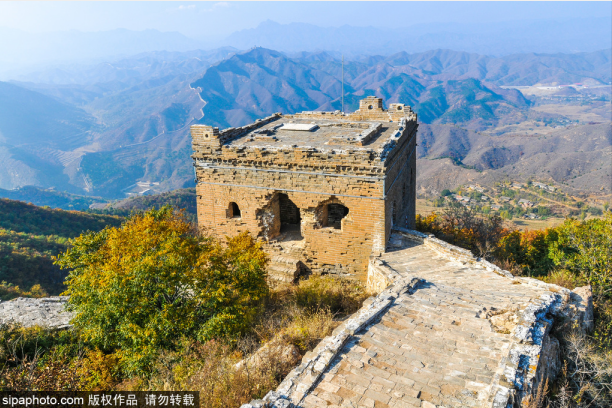
The Great Wall – Simatai is the wildest, least restored section
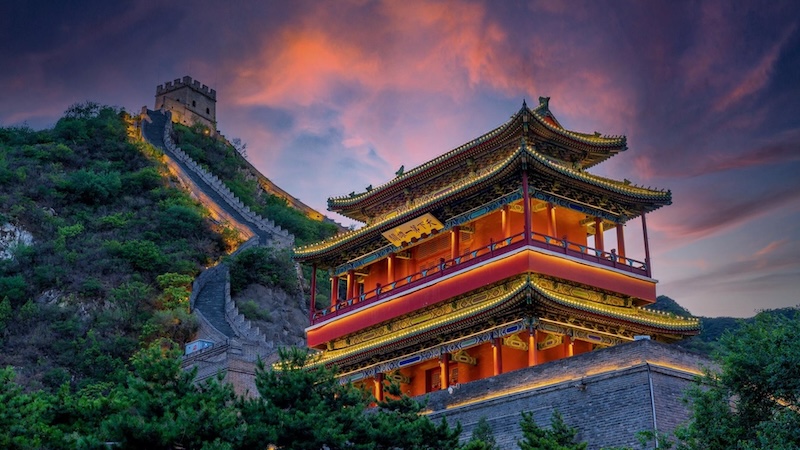
The Great Wall – Juyongguan is a fortress pass, and . Pro-Tip: Check official sites for newly offered night tours under the stars!
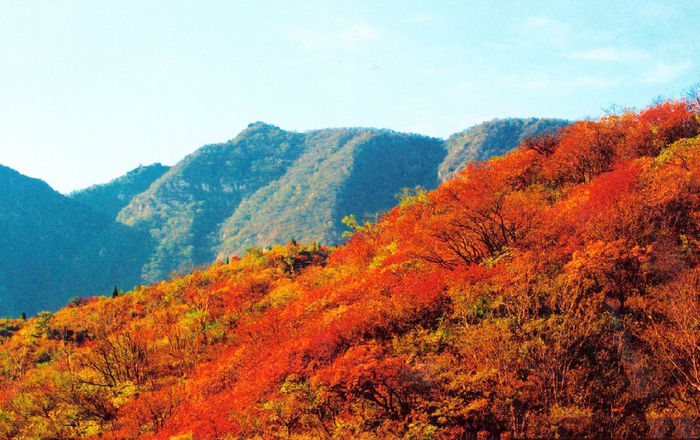
Fragrant Hills Park (Xiangshan): A must-visit in the autumn for its stunning red maple leaves.
Culture & History: The Heart of China (S)
Because Beijing’s history is so recent, its architecture is preserved incredibly well. Beyond imperial grandeur, the city developed a rich, unique civilian culture.
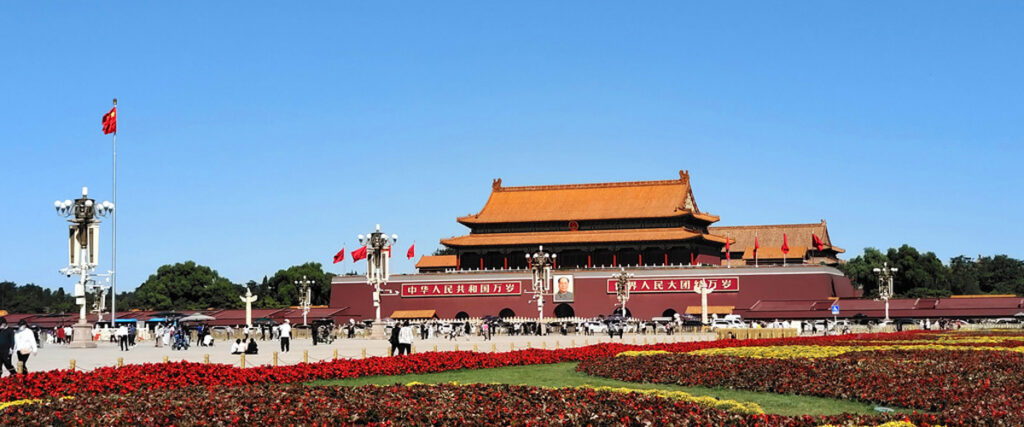
Tiananmen Square: The political center of ancient and modern China. Access requires early reservations and strict security checks.
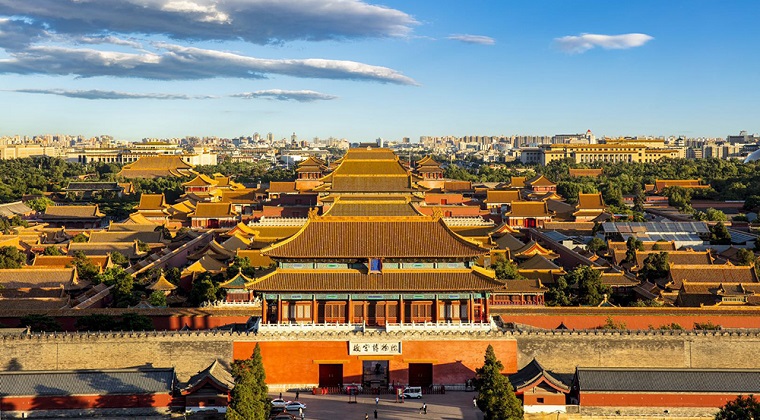
The Forbidden City (Gùgōng): Home to 24 emperors. Tickets are highly competitive.
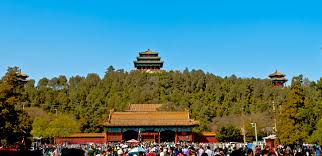
Jingshan Park: If you miss out on Forbidden City tickets, hike the hill here right before sunset. You will get the single best view of the golden palace roofs shining
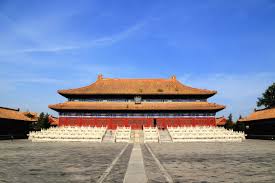
Imperial Ancestral Temple (Tàimiào): Located next to the Forbidden City with identical architecture but far fewer crowds.
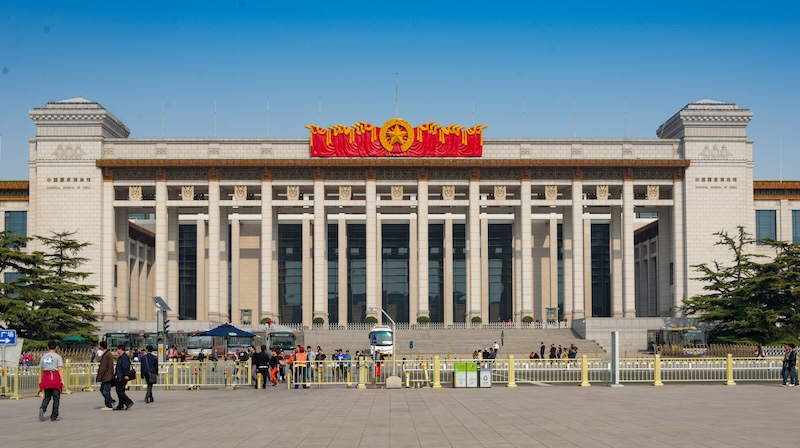
National Museum of China: Read the 5,000-year story of Chinese civilization under one roof for free. Game-changing hack: Book a guided explanation for around 100 yuan. It guarantees your entry ticket and provides an immersive expert history class. (Closed on Mondays!)
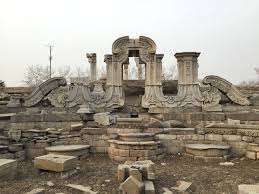
Yuanmingyuan (Old Summer Palace): A tragic historical relic looted in 1860. It serves as a profound memorial essential to understanding modern China.
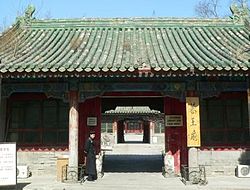
Prince Gong’s Mansion (Gongwangfu): The hyper-luxurious former home of Heshen, history’s most corrupt official. Keep your eyes peeled for hidden treasure!
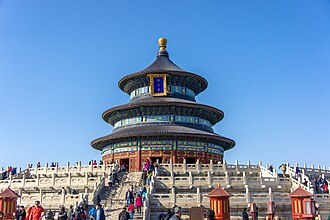
Temple of Heaven & Temple of Earth: Where emperors performed vital national rituals.
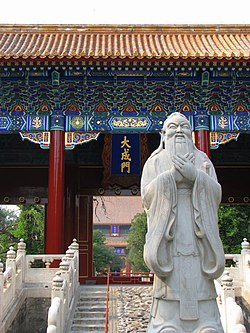
Confucius Temple & Imperial College: A deeply sacred site dedicated to the philosophy of education central to East Asian culture.
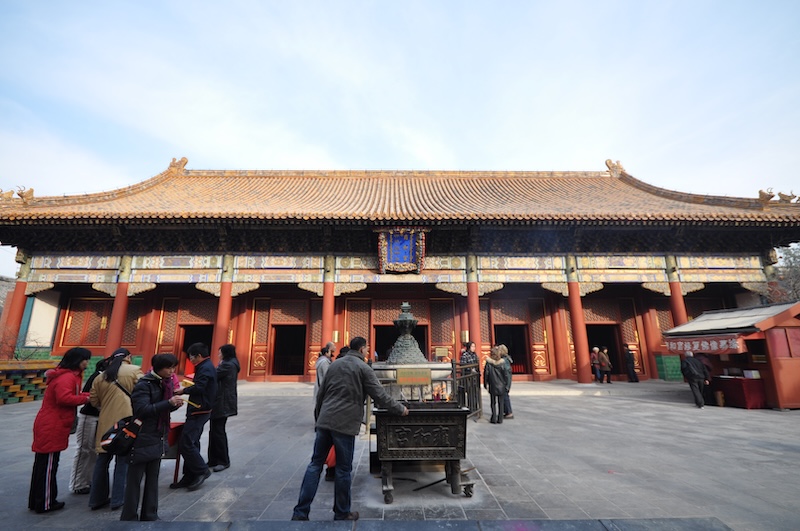
Lama Temple (Yōnghégōng): Beijing’s most important Tibetan Buddhist temple. Local legend says wishes made here come true—but often in highly unexpected ways!
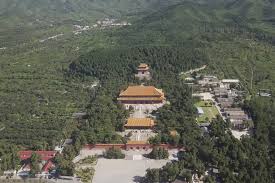
The Ming Tombs: Only one of the 13 imperial tombs is open to the public, offering a fascinating glimpse into ancient burial practices.
The Soul of Old Beijing: The Hutongs
To feel the true pulse of the city, take a “Citywalk” through the hutongs—the traditional alleyways where locals have lived for centuries.
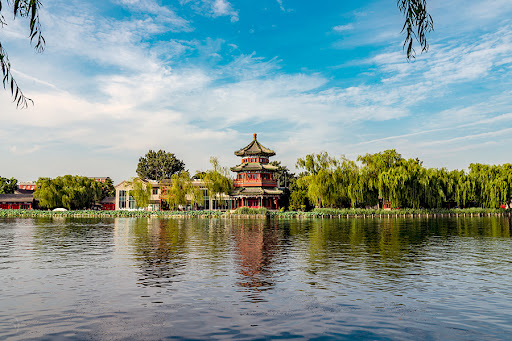
Shichahai: My personal favorite. Offers a beautiful lake, historic Drum and Bell Towers, great nightlife, and a genuine neighborhood feel.
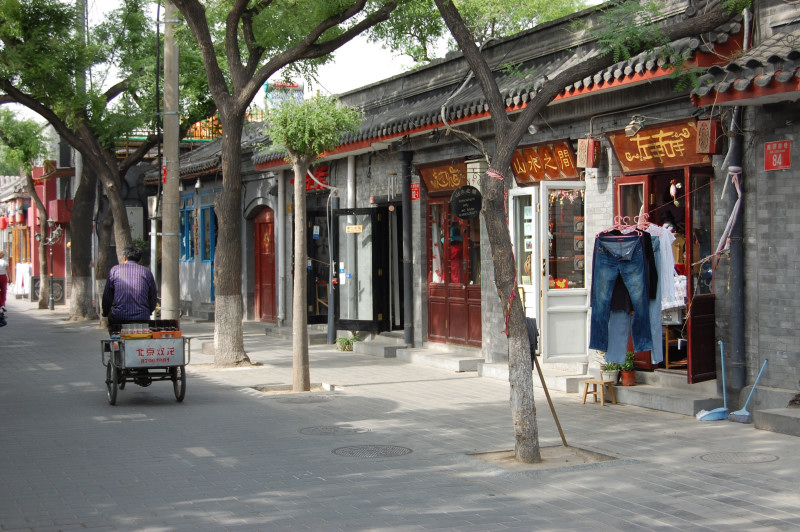
Nanluoguxiang: Highly commercialized and crowded. Great for a chaotic hour of street food, but not a peaceful local experience.
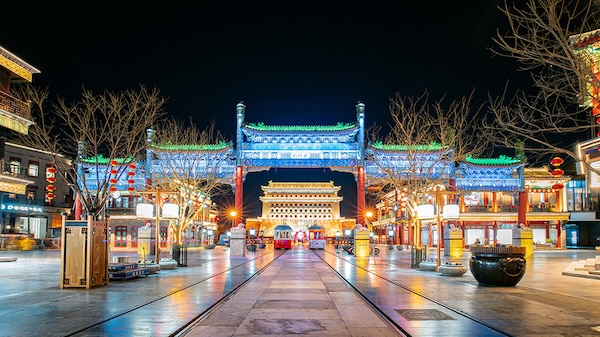
Qianmen: Less crowded with excellent nearby restaurants and charming, quiet alleys.
Looking for something unique? Rent a traditional rickshaw, dress up in traditional Hanfu clothing for photos, catch a comedic Xiangsheng show at Deyunshe, or time your visit for a vibrant Temple Fair!
Food: A Culinary Empire (S)
Some joke that Beijing is a “food desert,” but they couldn’t be more wrong.
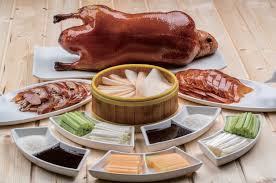
Peking Duck: A perfect bite of crispy skin, tender meat, scallions, cucumber, and sweet bean sauce wrapped in a paper-thin pancake.
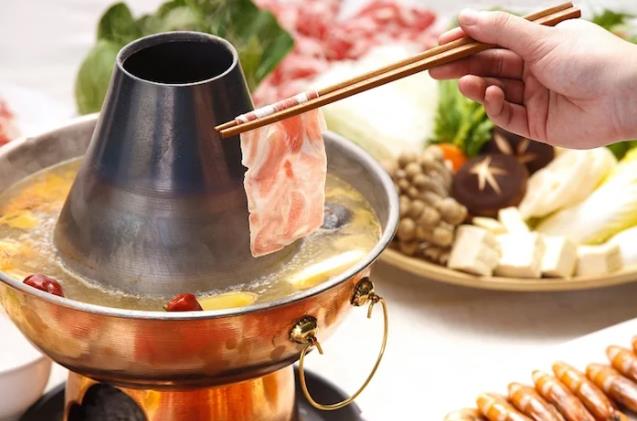
Mutton Hot Pot (Shuàn Yángròu): Paper-thin slices of Inner Mongolian lamb swished in a copper pot and dipped in rich sesame sauce.
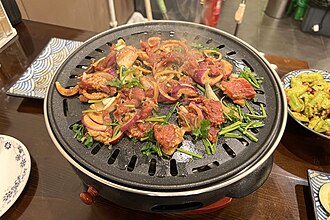
Plate Barbecue (Zhīzi Kǎoròu): Mutton and beef grilled on a sizzling iron plate with aromatic spices.
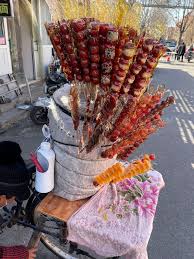
Bingtanghulu: Skewers of hawthorn fruits (or modern strawberries) coated in a crackling hard candy shell.

Rolling Donkey (Lvdagun): A sticky rice cake rolled with sweet red bean and coated in soybean flour.
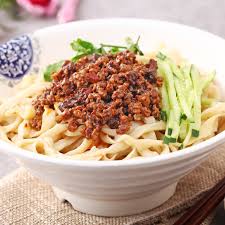
Zhajiangmian: Noodles topped with a rich fried bean sauce.
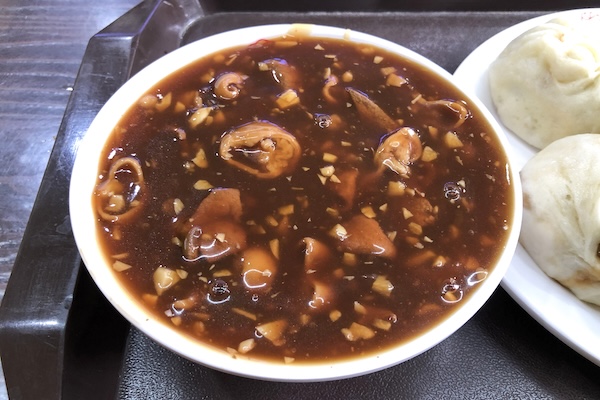
Chaogan: A thick, savory pork liver stew.
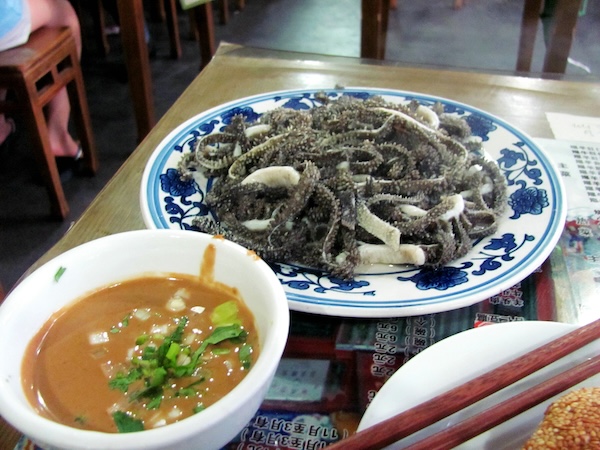
Baodu: Quick-boiled beef or lamb tripe.
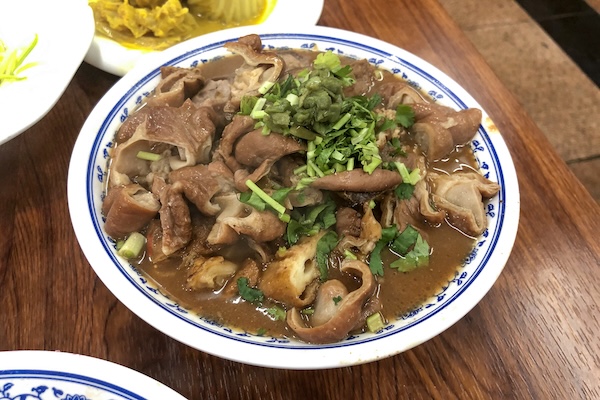
Luzhu Huoshao: Pork intestine stew served with flatbread.
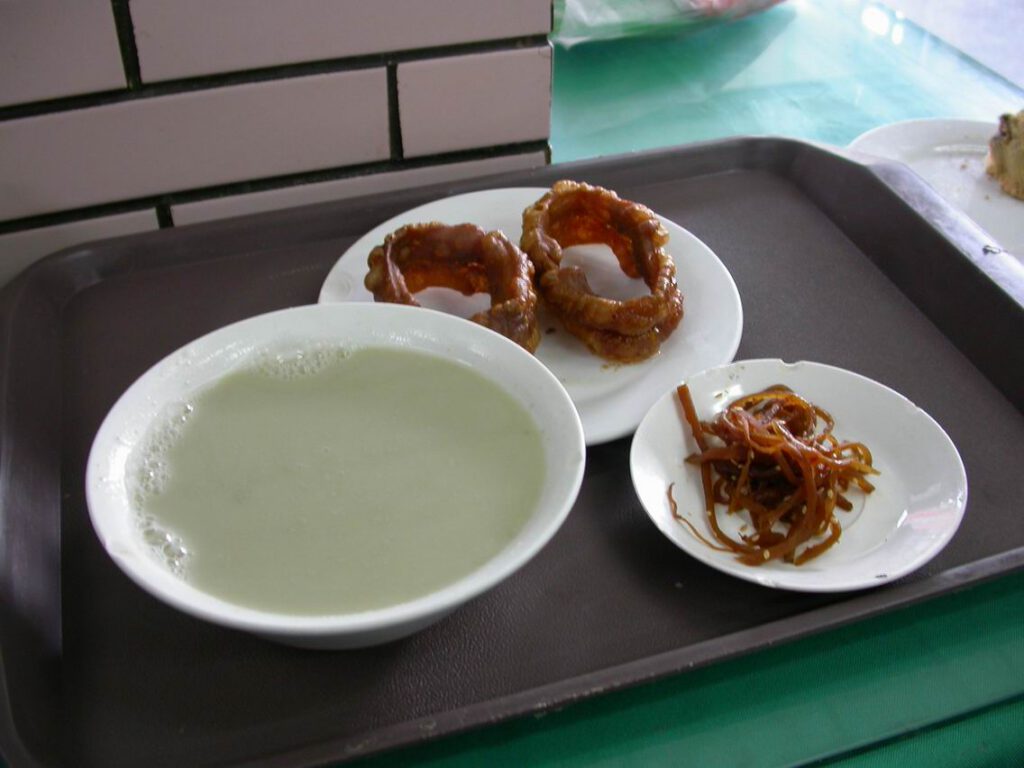
Douzhi: The final boss of Beijing snacks. This stinky, fermented mung bean milk is intensely divisive. (If you’ve tried it, leave a comment below!)
The Culinary Secret
Here is why Beijing truly earns an S-rating: The Provincial Offices. Almost every province in China maintains a representative office in Beijing, complete with its own restaurant. They bring local chefs and source regional ingredients, allowing you to take an authentic culinary tour of all of China without leaving the capital.
Add in a massive variety of excellent Halal restaurants and international embassy eateries, and you have a world-class food city.
Convenience & Modern Attractions (S-)
Beijing features two massive international airports, 29 metro lines, and a populace where many speak at least basic English. It is the ultimate transit hub.
So why the minus? The famous, massive traffic jams and the strict reservation systems for tourist sites add a layer of friction to your travel.
As for modern attractions, you will find fantastic Olympic venues (like the Bird’s Nest and Water Cube), a brand-new Universal Studios, and thriving art districts. However, if you are looking for a futuristic, neon-drenched skyline, you are better off visiting Shanghai.
 China Travel Master